

MID CENTURY MODERN STYLE
Mid-Century Modern Style: A Timeless Design Language
The Mid-Century Modern style emerged in the mid-20th century, roughly from the 1930s to the mid-1960s. It developed during a period of social and technological change. As a result, designers sought clarity, progress, and optimism through design. They rejected heavy ornamentation and rigid traditions. Instead, they embraced simplicity, balance, and innovation. This aesthetic quickly influenced architecture, furniture, interiors, and graphic design, becoming one of the most enduring movements of the modern era.
MID CENTURY MODERN STYLE
Mid-Century Modern Style: A Timeless Design Language
The Mid-Century Modern style emerged in the mid-20th century, roughly from the 1930s to the mid-1960s. It developed during a period of social and technological change. As a result, designers sought clarity, progress, and optimism through design. They rejected heavy ornamentation and rigid traditions. Instead, they embraced simplicity, balance, and innovation. This aesthetic quickly influenced architecture, furniture, interiors, and graphic design, becoming one of the most enduring movements of the modern era.
Form, Function, and Organic Inspiration
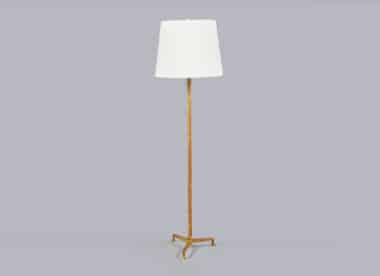
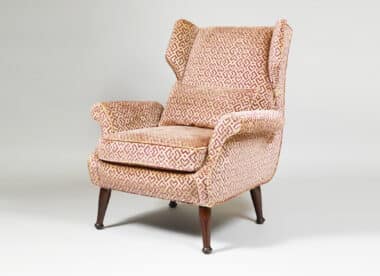
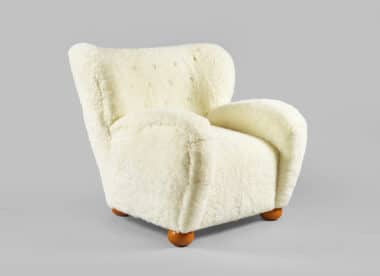
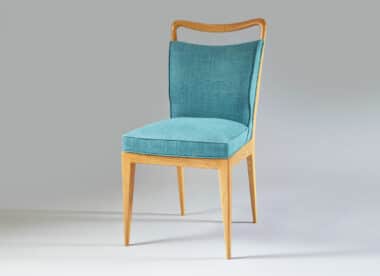
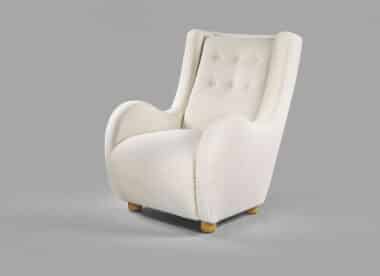
At its core, this design language focuses on the harmonious relationship between form and function. Objects are not only visually appealing. They are also practical and durable. Consequently, interiors appear lighter, more open, and carefully structured. Clean lines dominate. Rounded shapes soften silhouettes. Bold yet controlled colors add character. Moreover, Scandinavian influences bring warmth and restraint. At the same time, nature plays a key role. Designers draw inspiration from organic forms, creating gently curved chair backs and biomorphic shapes. As a result, furniture feels both architectural and human, precise yet inviting.
Iconic Designers and Enduring Creations
This period produced some of the most iconic furniture designs in history. The Eames Lounge Chair redefined comfort and modern luxury. Eero Saarinen’s Tulip Chair eliminated visual clutter with its sculptural pedestal base. The Noguchi Coffee Table merged art and utility into a single expressive form. These designers experimented with new materials and techniques. They proved that modern furniture could be innovative, elegant, and timeless. Today, their creations remain highly sought after, continuing to influence contemporary interiors worldwide.
Vosges: Interpreting Mid-Century Modern for Luxury Interiors
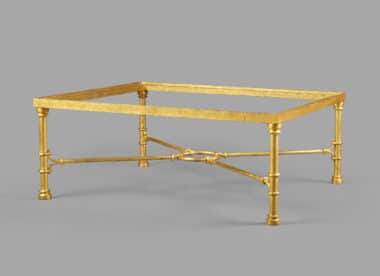
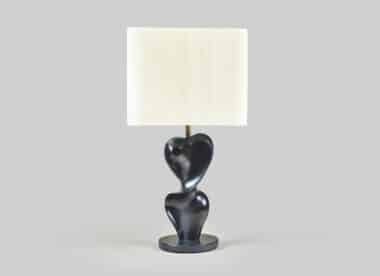
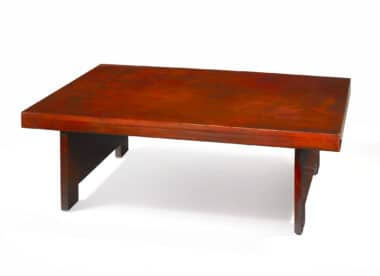
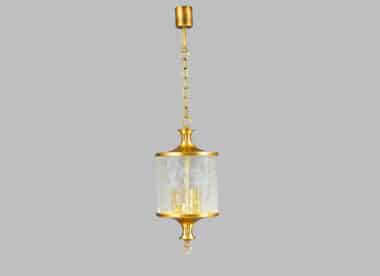
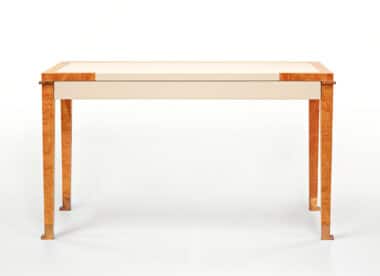
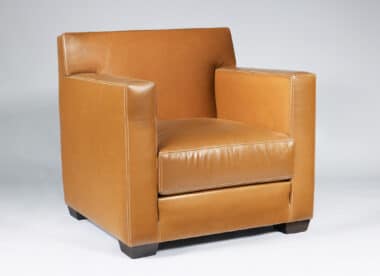
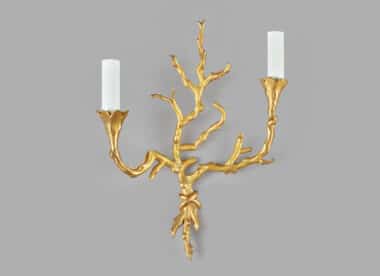
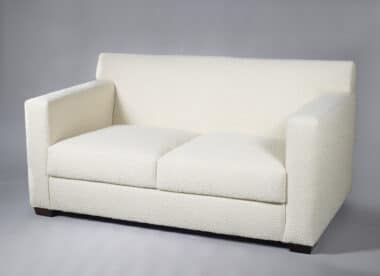
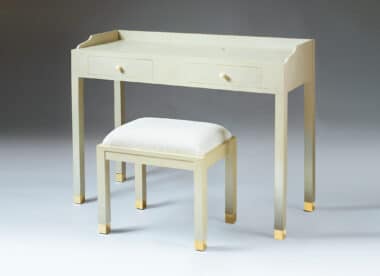
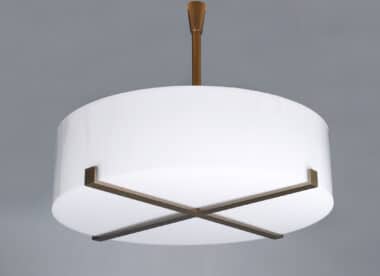
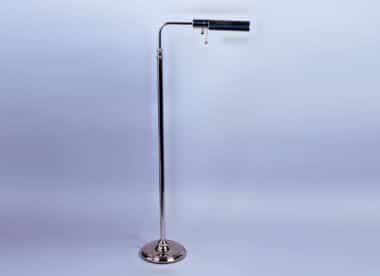
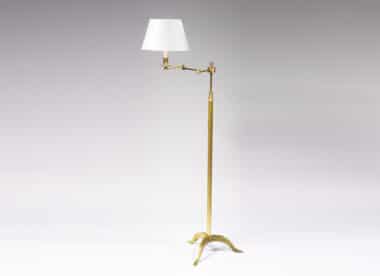
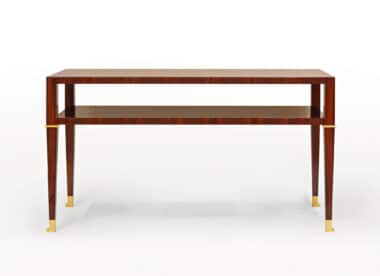
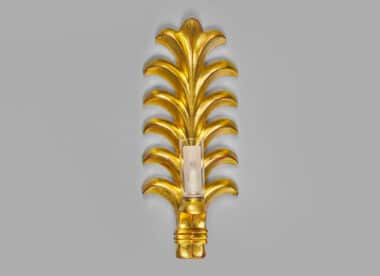
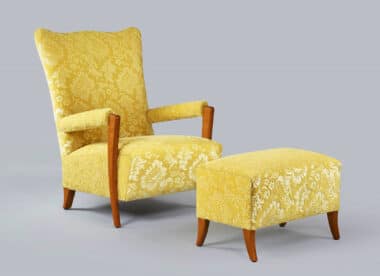
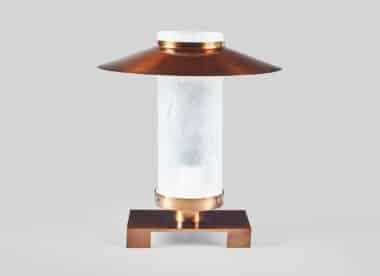
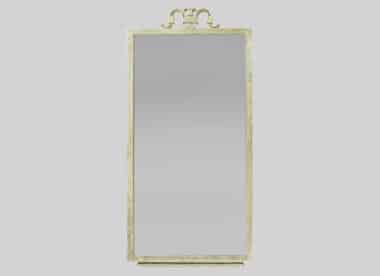
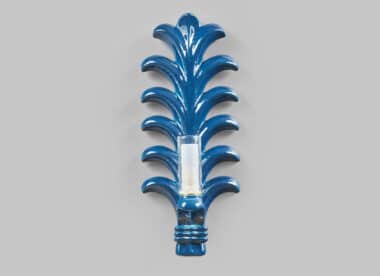
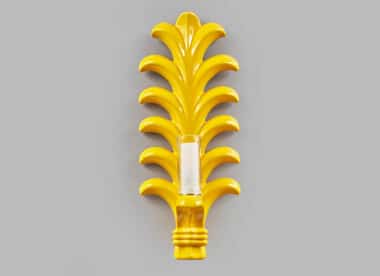
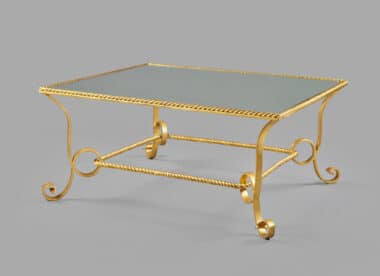
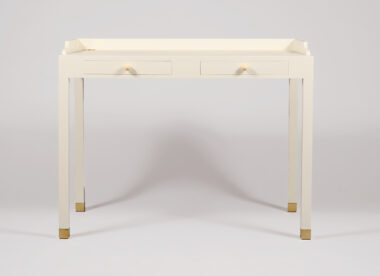
At Vosges, we reinterpret these principles through bespoke luxury furniture and lighting. We focus on proportion, geometry, and clarity. However, we also introduce refinement and craftsmanship. Our artisans select premium materials and execute each piece with precision. Clean lines remain essential. Yet subtle details, rich textures, and balanced volumes elevate every creation. Moreover, each object serves a clear purpose while contributing to a cohesive interior vision. By merging mid-century inspiration with contemporary savoir-faire, Vosges creates furniture that feels timeless, sophisticated, and enduring. Ultimately, our designs celebrate modern heritage while meeting the expectations of today’s most discerning interiors.