

ART DECO
Art Deco Style: Geometry, Luxury, and Timeless Elegance
The Art Deco style emerged in the early 20th century and quickly became a symbol of modernity, elegance, and progress. First revealed at the 1925 Exposition Internationale des Arts Décoratifs et Industriels Modernes in Paris, it marked a clear break from past styles. Instead of excessive ornamentation, designers embraced structure, symmetry, and refined materials. As a result, interiors became bold, sophisticated, and unmistakably modern, combining visual impact with functional clarity.
ART DECO
Art Deco Style: Geometry, Luxury, and Timeless Elegance
The Art Deco style emerged in the early 20th century and quickly became a symbol of modernity, elegance, and progress. First revealed at the 1925 Exposition Internationale des Arts Décoratifs et Industriels Modernes in Paris, it marked a clear break from past styles. Instead of excessive ornamentation, designers embraced structure, symmetry, and refined materials. As a result, interiors became bold, sophisticated, and unmistakably modern, combining visual impact with functional clarity.
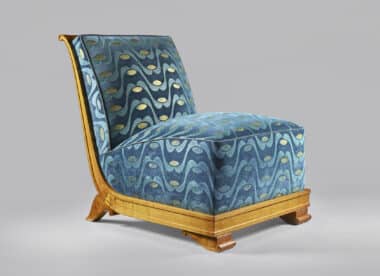
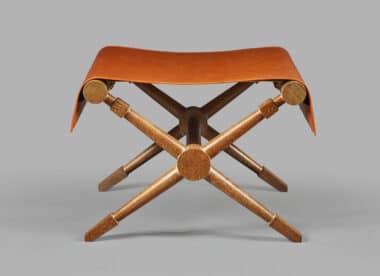
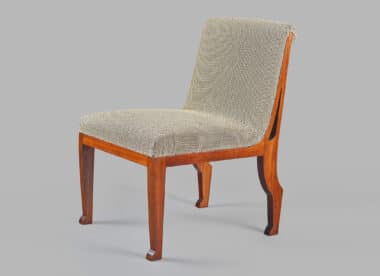
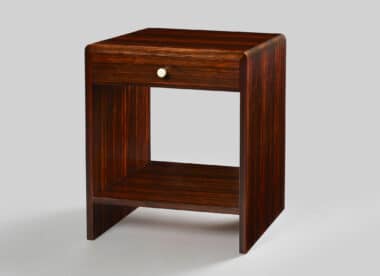
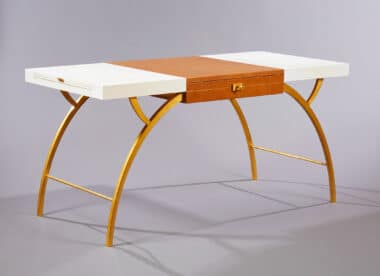
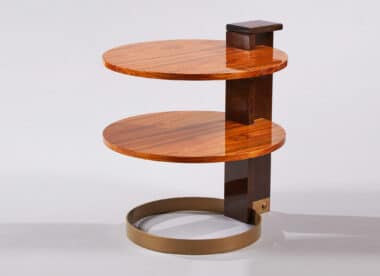
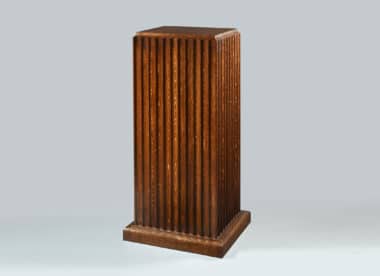
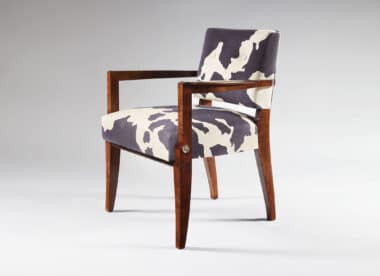
Moreover, Art Deco celebrated craftsmanship while embracing innovation. Designers combined precious woods, lacquer, bronze, glass, and exotic materials to create striking furniture and interiors. Clean lines dominated; however, they were softened by curved forms and rich textures. Consequently, this style achieved a perfect balance between luxury and practicality, making each piece both visually compelling and usable.
The Golden Age of Art Deco Design
During the 1920s and 1930s, Art Deco influenced architecture, furniture, lighting, and interior decoration worldwide. French Art Deco had a significant impact not only in France but also internationally. Its influence extended to the United States, where it left a lasting mark on both design and architecture. Renowned French designers such as Jacques Adnet, Pierre Chareau, Paul Dupré-Lafon, Jean-Michel Frank, André Groult, Armand-Albert Ratteau, Émile-Jacques Ruhlmann, Raymond Subes… defined its identity. They emphasized proportion, fine materials, and meticulous detailing. Simultaneously, they applied modern construction techniques, ensuring that their creations felt both opulent and forward-looking.
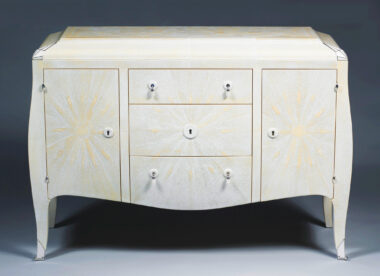
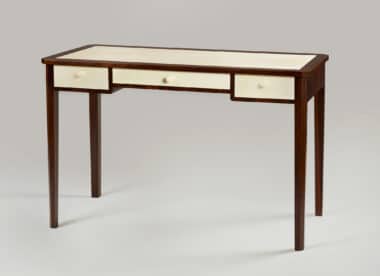
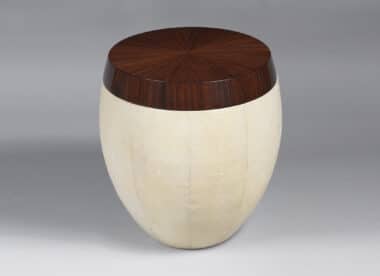
The movement drew inspiration from diverse sources. Ancient civilizations, industrial progress, and exotic cultures all contributed to its aesthetic. Geometric motifs, sunbursts, and stepped forms became iconic. Surfaces such as lacquer, parchment, shagreen, and metal inlays added depth and visual richness. As a result, Art Deco interiors conveyed confidence, glamour, and refinement, making every space feel both dynamic and elegant.
Art Deco in Contemporary Luxury Interiors
Today, the style continues to inspire high-end interiors and bespoke furniture. Its focus on clarity, structure, and noble materials aligns with modern luxury sensibilities. Contemporary interpretations favor restraint but preserve the movement’s essence. Furniture remains elegant, graphic, and timeless, offering a powerful language for creating sophisticated and distinctive spaces.
Vosges: A Refined Art Deco Legacy
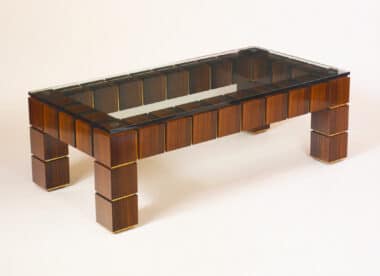
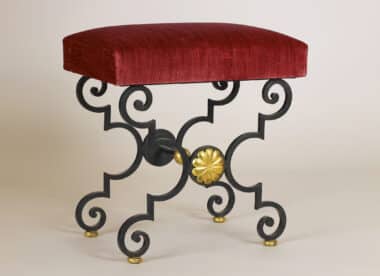
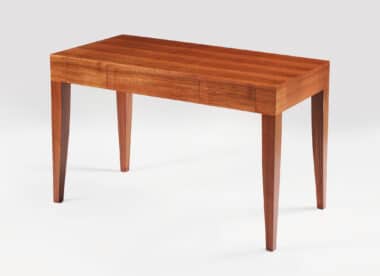
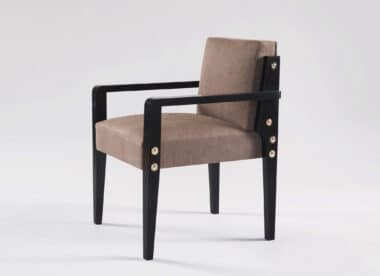
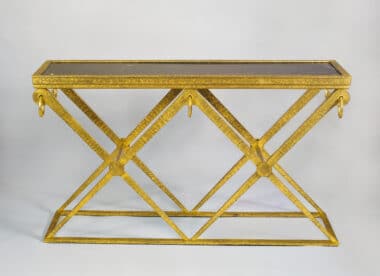
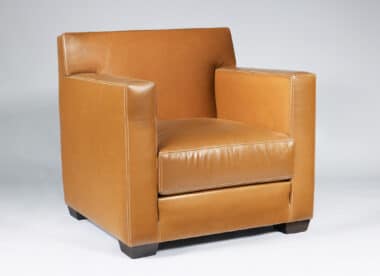
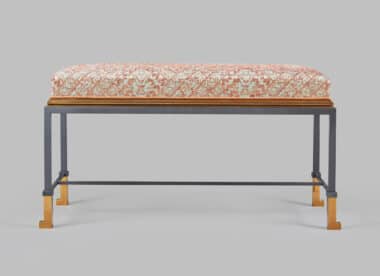
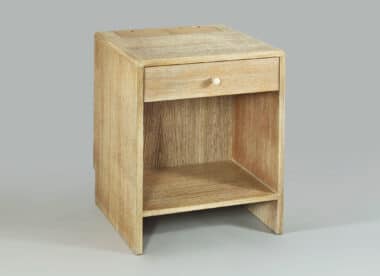
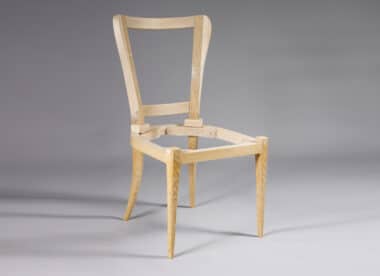
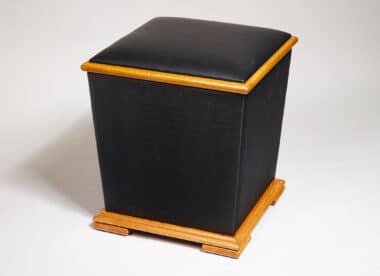
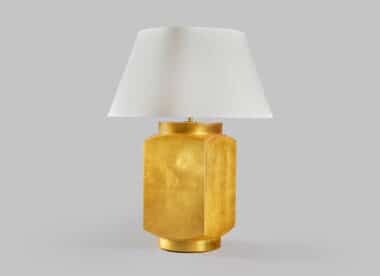
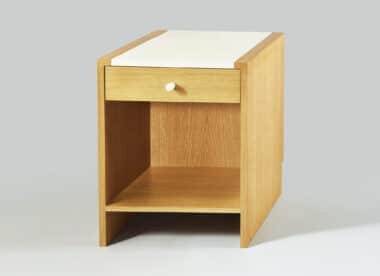
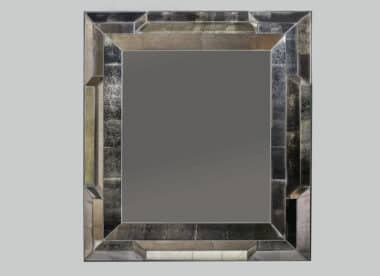
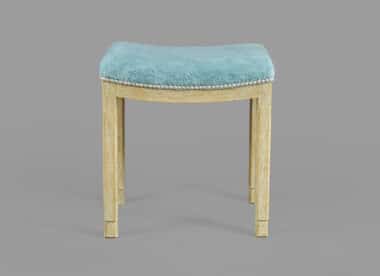
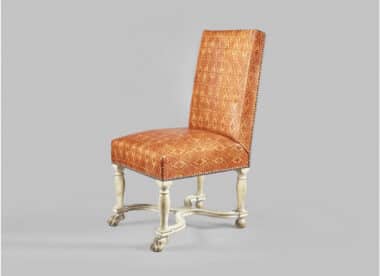
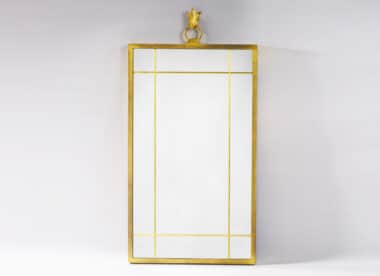
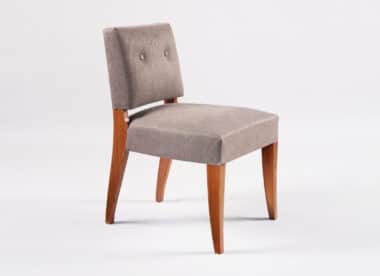
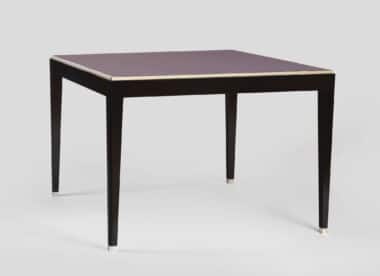
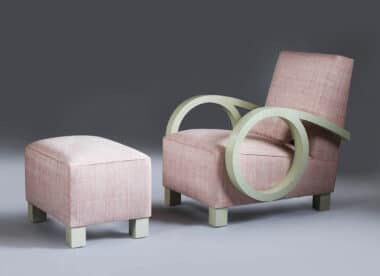
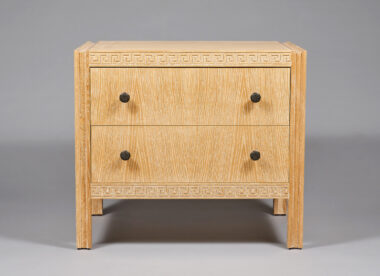
At Vosges, we reinterpret Art Deco through luxury bespoke furniture and lighting. We draw inspiration from historical masters while introducing contemporary precision. Our artisans select refined materials and execute each detail with care. Every piece balances architectural geometry, material richness, and modern comfort.
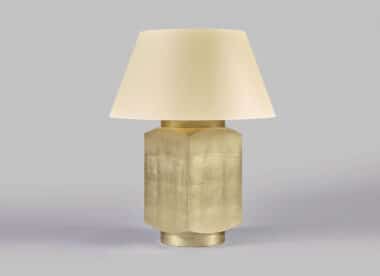
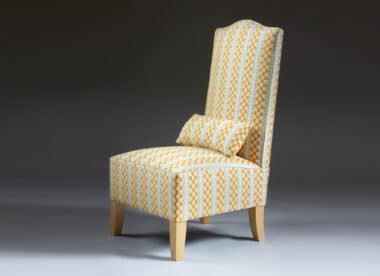
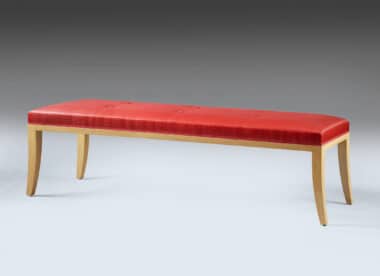
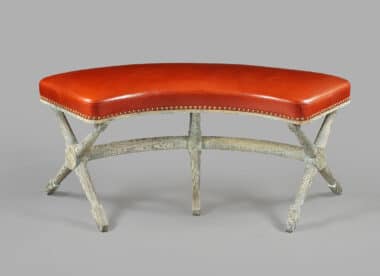
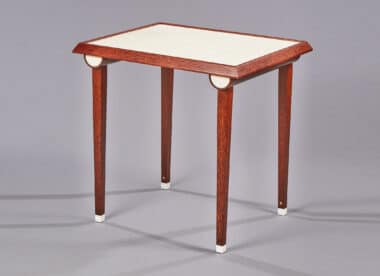
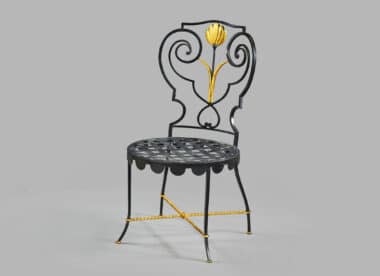
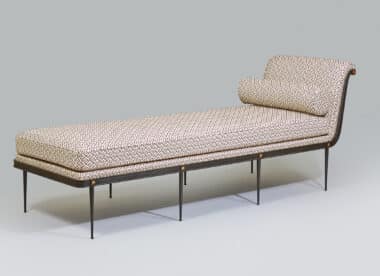
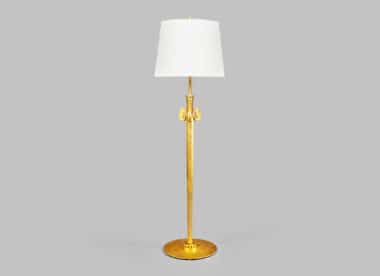
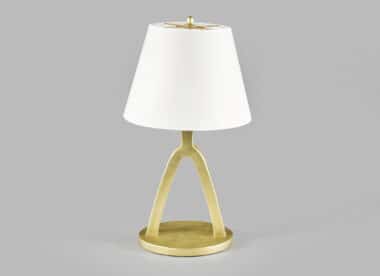
Vosges creates custom beds, chairs, tables, screens, and lighting, tailored to exceptional interiors. Each piece reflects a deep respect for craftsmanship and proportion, while meeting today’s expectations of functionality and elegance. Through this approach, Vosges perpetuates the Art Deco spirit, delivering furniture that is bold yet timeless, luxurious yet restrained, and designed to endure.